
Window Seal or Sill? Meaning, Differences, Spelling & Repairs
Window seal or sill? Both phrases are common, but they describe different parts of a window. A window seal closes gaps around glass, frames, or glazing. A window sill is the flat surface at the base of a window opening.
This distinction matters because window seal problems can cause drafts, condensation, and heat loss, while windowsill problems can lead to water damage, staining, and rot. Using the right term helps when describing damage, buying parts, or explaining a repair.
If you are writing, editing, or making a repair, knowing the difference between window seal and window sill makes each task easier.
Quick Answer: Both “window seal” and “window sill” are correct, but they describe different window components. A window seal closes gaps and prevents air and moisture from entering a sealed space. A window sill is the horizontal base or ledge beneath a window. Use “seal” for sealing components and “sill” for the ledge.
Choosing between Window Seal or Sill becomes easier when you understand what each part does. Although the words sound similar, they have different meanings, functions, and spelling. One refers to sealing materials, while the other identifies part of the window’s structure.
The distinction matters beyond grammar. A damaged window seal can cause drafts or fog between glass panes, while a damaged sill may develop cracks, moisture stains, or wood rot. Knowing which component is affected helps you describe the problem accurately and choose an appropriate repair.
This guide explains the correct terminology, pronunciation, window anatomy, common damage signs, repair options, and practical examples. It also covers windowsill spelling, the difference between a sill and stool, and frequently asked questions.
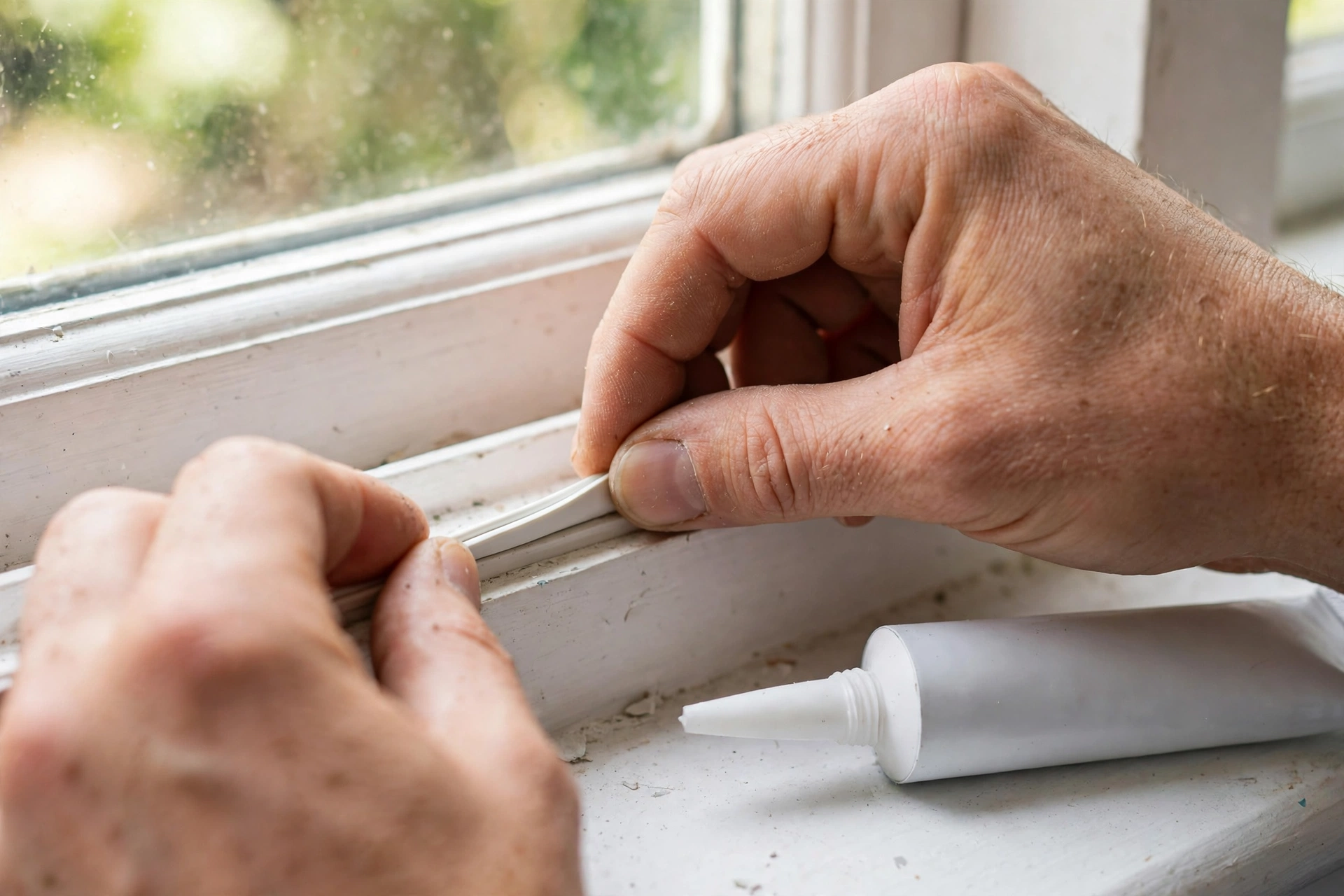
Window Seal or Sill: Which Word Is Correct?
Both terms are correct, but they are not interchangeable. Use “window seal” when referring to a component or material that prevents unwanted movement of air or moisture. Use “window sill” when referring to the horizontal part at the bottom of a window.
The easiest way to remember the difference is simple: a seal closes a gap; a sill forms the base.
| Feature | Window Seal | Window Sill |
|---|---|---|
| Meaning | A sealing component or material | A horizontal window base or ledge |
| Main function | Limits air or moisture movement | Provides a lower frame surface and may direct water away |
| Typical location | Around the frame, sash, glass, or within insulated glazing | At the bottom of a window opening |
| Common materials | Rubber, silicone, foam, and specialized sealants | Wood, PVC, stone, concrete, and metal |
| Common problems | Cracks, gaps, drafts, or fog between panes | Rot, cracking, staining, or poor drainage |
| Example | “The window seal needs replacing.” | “The window sill needs repainting.” |
If someone says, “The window seal is cracked,” they probably mean a rubber gasket, weatherstripping, or a sealant joint. If they say, “The window sill is cracked,” they mean the solid material beneath the window.
Both components help protect a building, but identifying the correct one is essential before attempting repairs.
What Is a Window Seal?
A window seal is a component or sealing material designed to close an opening or joint. Depending on its location, it can help prevent drafts, water intrusion, or moisture entry into the space between insulated glass panes.
Window seals are commonly found between an open sash and its frame, around glazing, at installation joints, and along the edges of double- or triple-pane insulated glass units.
What Does a Window Seal Do?
The function depends on the type of seal. Weatherstripping reduces airflow around movable window parts. Sealant protects suitable joints between stationary components. Factory-installed insulated glass seals keep moisture out of the enclosed space between panes.
These functions contribute to:
- Draft reduction: Limiting unwanted airflow through gaps.
- Moisture protection: Helping prevent water from entering vulnerable joints.
- Energy performance: Reducing air leakage or maintaining the insulating properties of sealed glazing.
- Indoor comfort: Helping reduce cold drafts and temperature fluctuations.
- Component protection: Limiting moisture exposure around susceptible materials.
According to the U.S. Department of Energy’s air-sealing guidance, caulking generally seals stationary joints, while weatherstripping is used around movable components, including operable windows.
Common Window Seal Types
Several window seal types are used in residential construction. They are designed for different locations and should not automatically be substituted for one another.
| Type | Where It Helps | Notes |
|---|---|---|
| Compression | Frames and sash joints | A ribbon of flexible material, held against a surface by pressure |
| V-strip | Sash edges and door-adjacent window joints | Two flexible wings form a V; durable and easy to install |
| Foam | Gaps around window units | Compressible strip or adhesive-backed foam; can deteriorate faster than some other materials |
| Caulk | Stationary joints | Flexible sealant applied from a tube; not designed for moving parts |
| Gasket | Many window frames | Flexible or rigid material placed directly in a frame or glazing channel |
| Butyl tape | Glass-to-frame joints | Sticky, rubberized strip; forms a strong seal in glazing joints |
| Rubber | Window edges and load-bearing joints | Strong, flexible material; often used in architectural or durable seals |
A window seal will not work well if the material is stiff, incorrectly sized, or installed in the wrong location. Matching the seal to the joint and movement helps create a reliable seal.
What Is a Window Sill?
A window sill is the horizontal layer or surface at the base of a window. It also extends beyond the window frame into the room to give a surface that moves water away from the wall.
Builders use “sill” for the part below the window opening, not the seal that sits between the frame and glass.
What Is the Difference Between Sill, Stool, and Apron?
A window sill consists of several parts:
- Sill: the horizontal surface at the bottom of the window unit
- Apron: the vertical piece on the inside
- Stool: the thin material on the top of the sill
Each part uses a distinct term, so saying “window sill” and “window stool” does not mean the same thing.
What Does a Window Sill Do?
A sill supports the lower part of a window frame, collects water, and controls condensation carefully. A sloped sill moves water away to minimize standing water or moisture damage. The sill also often serves as a home for decorative items.
What Are the Common Windowsill Materials?
Common sill materials include wood, PVC, stone, concrete, and metal. Each has strengths and drawbacks, and the best choice depends on the location, climate, and budget.
| Material | Key Benefits | Limitations |
|---|---|---|
| Wood | Warm, classic appearance | Very soft; requires frequent maintenance and can rot if not sealed correctly |
| PVC | Light, moisture-resistant, and low maintenance | Can expand under intense heat; less durable for large openings |
| Stone | Durable, attractive, and weather-resistant | Heavy; costs more and can be harder to install |
| Concrete | Strong and commonly used outdoors | Heavy; rough surface; can crack over time |
| Metal | Durable and weather-resistant | Can conduct heat or cold; may corrode depending on the finish |
Consider how a sill will be used before choosing a material. The style of the room, the exposure to water, and the size of the window all play a role.
Windowsill Spelling: One Word or Two?
“Windowsill” is one word in standard modern usage. It is the common and accepted spelling for the horizontal surface at the base of a window opening, as Cambridge defines it: “a flat piece of wood, stone, etc. that forms the base of a window or door.”
“Window sill” is also common. It is understood, but “windowsill” is the standard spelling in dictionaries.
Can I Say “Window Sill” as Two Words?
Yes, you can use “window sill” as two words in a message or writing. Both forms are widely accepted, but “windowsill” is the standard dictionary form when you want to present the word as a single compound noun.
A “window ledge” is another name for the windowsill. The term “ledge” can describe the area that extends beyond the window unit and is often used in casual conversation.
How to Identify Window Seal and Sill Problems
Early detection prevents costly repairs. Look for visible changes, drafts, and moisture around the window, and check the seal and sill separately so you can describe the problem correctly.
Signs of a Damaged Window Seal
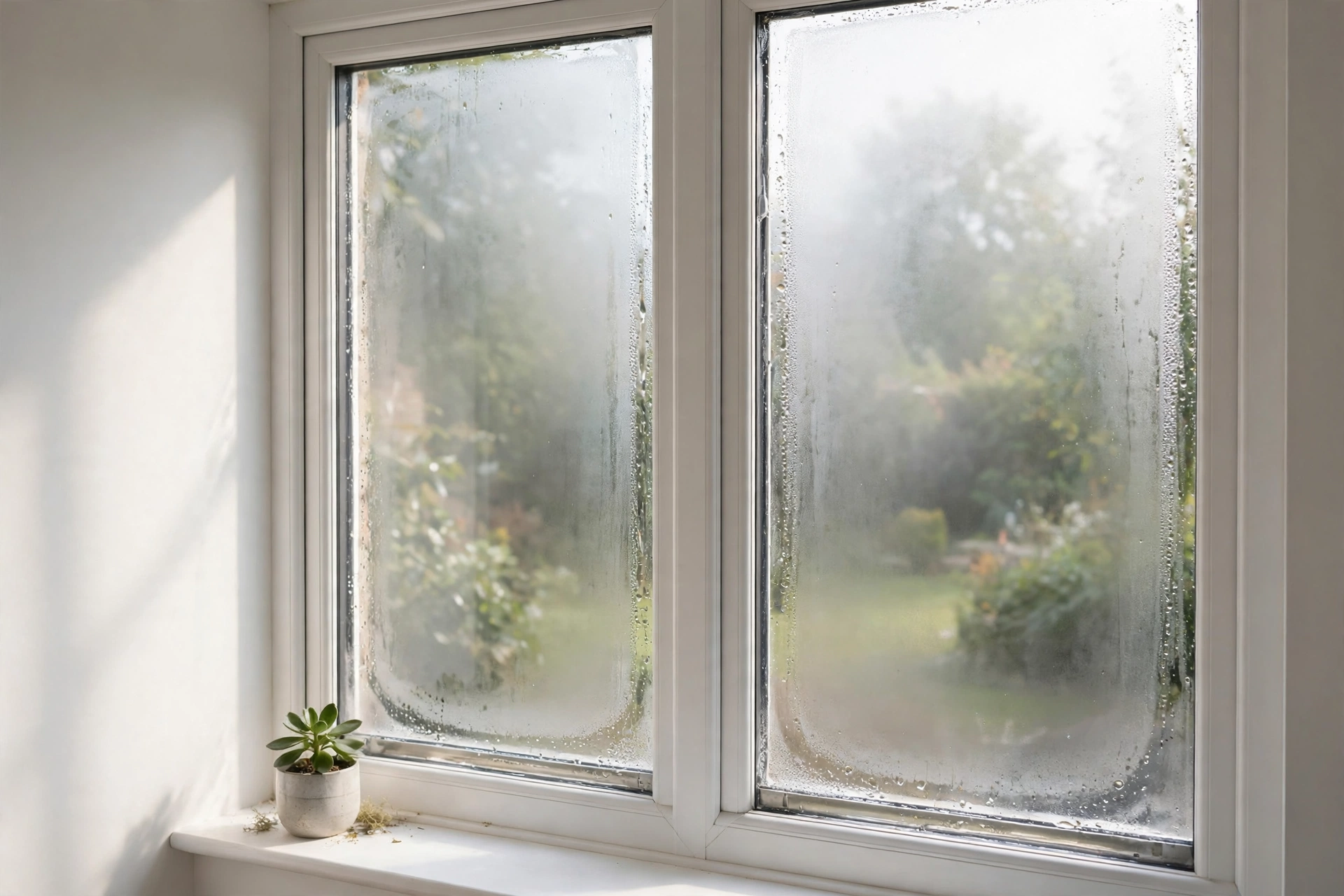
- Fog or condensation between glass panes: Moisture trapped inside a sealed unit usually means the factory seal has failed.
- Drafts near the window: Cold air entering around the frame or sash often points to a gap in the weatherstripping or sealant.
- Glass appears foggy or cloudy: A milky film between panes is a common sign of a broken insulated glass seal.
- Water stains or peeling paint: Moisture entering through a failed seal can damage the frame and nearby wall.
- Frame feels cold or damp: A cold spot may show where air or moisture is leaking in.
- Sealant is cracked, peeling, or missing: Visible gaps in caulk or weatherstripping are easy to spot during an inspection.
If fog appears between glass panels, the factory seal has probably failed. In that case, the insulated glass unit may need attention, not just a new bead of caulk.
Signs of a Damaged Window Sill
- Cracks or splitting: Small cracks can let water into the sill and the wall below it.
- Soft or spongy wood: Press the sill gently; soft wood may indicate rot.
- Water stains, swelling, or peeling paint: These signs often show that water is collecting on or under the sill.
- Mold or mildew: Dark spots near the sill can mean moisture is trapped in the material.
- Uneven or sloping surface: A sill that no longer slopes outward may let water pool instead of draining away.
Wood sills are especially vulnerable to moisture damage. PVC, stone, concrete, and metal sills can also crack or fail, but they usually resist rot better than wood.
When to Inspect Windows
Check windows after heavy rain, strong winds, or freezing weather. Inspect before winter, when heating costs rise and drafts become more noticeable. Also inspect after storm damage or if you notice fog, drafts, or stains.
How to Repair a Window Seal
Not all seal failures can be solved in the same way. A cracked bead of caulk is a simple fix, while a failed insulated glass seal may need a replacement unit.
How to Replace a Broken Seal or Sealant
- Remove the old seal: Cut away cracked caulk or pull out worn weatherstripping.
- Clean the surface: Remove dust, old adhesive, and loose material so the new seal can bond.
- Apply the new sealant: Use caulk for stationary joints and weatherstripping for movable parts.
- Smooth the joint: Tool the sealant into a neat line and remove excess material.
- Allow it to cure: Follow the product instructions before opening or washing the window.
When Can I Repair a Window Seal Without Replacing the Window?
Many minor problems can be repaired without replacing the entire window. A failed bead of caulk, a worn strip of weatherstripping, or a small gap around the frame can often be fixed with new sealant. If the window has a factory-sealed unit with moisture between the panes, replacement of the insulated unit may be required.
How to Fix Fog Between Window Panes
Fog between panes usually means the insulated glass seal has failed. Defogging services can sometimes clear the view, but they do not restore the original seal. Replacing the insulated glass unit is the usual way to restore visibility and insulation.
How to Repair a Window Sill
How to Fix a Cracked Window Sill
Small cracks can often be repaired with wood filler or epoxy. Clean the crack, apply filler, sand it smooth, and repaint or seal the surface.
How to Repair a Rotted Window Sill
Rot requires removing the damaged wood. Cut out the soft area, treat the surrounding wood, and fill or replace the section. If rot is extensive, the whole sill may need replacement.
How to Replace a Window Sill
Replacing a sill involves removing the old sill, measuring the opening, cutting a new sill to size, and installing it with a slight slope so water drains away. Seal the joints and paint or finish the surface.
What Is the Cost to Repair a Window Seal or Sill?
Costs vary by location and the extent of damage. Minor repairs, such as recaulking, often cost far less than replacing a window or sill. If you plan to do the work yourself, materials such as caulk, weatherstripping, and sealant are relatively inexpensive. If you hire a contractor, labor costs vary by region and project size.
For a more accurate estimate, get quotes from local window repair specialists and compare the cost of repair with the cost of replacement.
Common Mistakes When Using Window Seal or Sill
Using the wrong term can cause confusion, especially when you are buying parts or explaining a problem to a repair specialist.
- Calling a window sill a window seal: The sill is the solid base below the window, not the sealing material.
- Calling a window seal a window sill: The seal closes a gap; it does not form the base of the window.
- Using “window seal” for the whole window: A seal is one component, not the entire window unit.
- Using caulk on a moving part: Caulk is for stationary joints; weatherstripping is for movable parts.
- Ignoring a small crack in the sill: Small cracks can let water in and lead to rot over time.
- Assuming fog between panes will clear on its own: Fog usually means the insulated glass seal has failed.
Practice Quiz: Window Seal or Sill?
Choose “seal” or “sill” for each sentence.
- The _____ needs repainting after years of sun exposure. (seal / sill)
- The _____ around the glass has cracked and lets in a draft. (seal / sill)
- Fog has appeared between the panes because the _____ has failed. (seal / sill)
- The cat likes to sit on the wide _____. (seal / sill)
- The _____ is made of wood and slopes outward. (seal / sill)
- Use “window _____” for the part below the window opening. (seal / sill)
Quiz Answers
- Sill: The sill is the surface that needs repainting.
- Seal: The seal around the glass has cracked.
- Seal: The insulated glass seal has failed.
- Sill: The cat sits on the sill.
- Sill: The sill is made of wood and slopes outward.
- Sill: The part below the window opening is the sill.
FAQs About Window Seal or Sill
1. What is the difference between a window seal and a window sill?
A window seal closes a gap to stop air or moisture movement. A window sill is the horizontal surface at the base of a window opening.
2. Is “windowsill” one word or two?
“Windowsill” is one word in standard dictionary usage, although “window sill” is also widely understood.
3. Can a window seal be repaired without replacing the whole window?
Yes. Many seal problems, such as worn weatherstripping or cracked caulk, can be repaired without replacing the window. A failed insulated glass seal may require a replacement unit.
4. What causes a window seal to fail?
Age, sun exposure, temperature changes, poor installation, and frame movement can all damage a seal over time.
5. How do I know if my window sill is rotting?
Look for soft or spongy wood, cracks, swelling, peeling paint, water stains, or mold. Press the surface gently to check for soft spots.
6. What is the difference between a sill and a stool?
The sill is the horizontal layer at the base of the window unit. The stool is the thin top layer, often the interior trim that sits on the sill.
7. Is a window ledge the same as a window sill?
Yes. “Window ledge” is a casual name for the windowsill, especially the part that extends into a room.
8. How long does a window seal last?
It depends on the material and exposure. Weatherstripping may last a few years, while factory-sealed insulated glass units often last much longer.
9. Can I use caulk to fix a broken window seal?
Caulk works for stationary joints, but it is not suitable for moving parts. Use weatherstripping around operable sashes.
10. What is the best material for a window sill?
It depends on use and location. Wood looks classic but needs maintenance. PVC resists moisture, stone and concrete are durable, and metal suits some modern frames.
11. Does a damaged window seal affect energy bills?
Yes. A failed seal can let in drafts and reduce the insulating value of a window, which may increase heating and cooling costs.
12. Should I hire a professional for window seal or sill repair?
For minor caulking or weatherstripping, a confident homeowner can often do the work. For fog between panes, extensive rot, or structural damage, a professional is usually the safer choice.
Conclusion: Window Seal or Sill?
A window seal closes a gap. A window sill forms the base. Remembering that simple distinction helps you choose the right word and the right repair.
If you describe a draft, fog between panes, or a failed joint, use “window seal.” If you describe the flat surface below a window, use “window sill” or “windowsill.”
With the correct term, you can explain a problem clearly, buy the right parts, and complete a repair that lasts.
Related Articles
You may also like these short guides: